
70% of businesses report that well-executed corporate events significantly improve company culture, employee retention, and brand perception. Yet, planning a corporate event in Bangalore—India's tech capital and one of South Asia's most dynamic cities—remains one of the most complex operational challenges that HR managers, event coordinators, and business owners face.
From navigating Bangalore's notorious traffic patterns to selecting the right venue in the right neighbourhood, from managing multi-cultural dietary requirements to coordinating vendor ecosystems across the city—corporate event planning demands meticulous attention to detail and deep local knowledge.
This guide is your complete roadmap. We cover everything from initial planning and budgeting to venue selection, logistics, vendor management, and post-event evaluation. By the end of this guide, you'll have a battle-tested 12-step framework to execute a flawless corporate event in Bangalore, whether it's a 50-person team building workshop or a 500-person annual day celebration.
At Artisans Events, we've been engineering South India's highest-stakes corporate experiences since 2012. This guide distills our decade of on-ground expertise into actionable steps you can implement immediately.
Why Corporate Events Matter in 2026
Corporate events are no longer just "nice-to-have" line items in an annual budget. They are strategic investments that directly impact employee engagement, brand awareness, client relationships, and business growth. Here's why they matter more than ever:
The Business Case for Corporate Events
- Employee engagement & morale: Companies with regular events see 35% higher employee engagement scores and 28% lower attrition (Gallup, 2025).
- Brand awareness & networking: Industry events position your company as a thought leader and generate 3x more qualified leads than digital campaigns alone.
- Team building & company culture: Cross-department events break silos and create organic relationships that improve collaboration by up to 45%.
- Product launches & market entry: Physical product reveals generate 6x more media coverage than digital-only launches.
- Stakeholder communication: Annual days and investor meets build trust through transparency and shared experience.
- Customer appreciation & loyalty: Client appreciation events drive 40% higher renewal rates for B2B companies.
"The ROI of a corporate event isn't just measured in leads generated—it's measured in relationships strengthened, culture reinforced, and brand authority established."
What Happens When Companies Skip Proper Planning
The cost of poor event planning isn't just financial. Delayed starts, AV failures, catering mishaps, and logistical chaos send a clear message to employees and clients: this company doesn't have its act together. In Bangalore's competitive corporate ecosystem, your event is your brand—make it count.
Now let's dive into the step-by-step planning process that ensures your event delivers maximum impact.

The 12-Step Corporate Event Planning Process
This comprehensive framework has been refined across 200+ corporate events. Follow these steps in order, and you'll have a structured, stress-free planning experience.
Step 1: Define Your Event Objectives & Type
Before anything else, answer these five critical questions:
- What's the purpose? Employee recognition, product launch, team building, conference, annual day, or client appreciation?
- Who's attending? Employees only, clients, investors, industry peers, or a mix?
- What outcome do we want? Higher morale, lead generation, media coverage, or stakeholder alignment?
- What's the expected headcount? This affects every downstream decision.
- What's the budget range? A rough estimate guides venue and format choices.
Use the SMART framework for your objectives: Specific, Measurable, Achievable, Relevant, and Time-bound. Instead of "We want a good team building event," define it as: "We want 90% of our 150 employees to rate the team building event 4/5 or higher on engagement, within a budget of ₹5 Lakhs, by Q2 2026."
Step 2: Establish Your Budget
Your budget is the foundation of every decision. Here's how to structure it:
| Category | % of Budget | Notes |
|---|---|---|
| Venue Rental | 30-40% | Includes setup/breakdown time, power, basic amenities |
| Catering & Beverages | 20-30% | Per-head costs vary widely: ₹300-1,500+ per person |
| AV & Production | 15-25% | Sound, lighting, screens, streaming, tech crew |
| Decor & Branding | 10-15% | Signage, banners, photo walls, table settings |
| Contingency Fund | 10% | Non-negotiable. Covers last-minute changes & surprises |
Budgeting Approaches
- Per-head method: Multiply expected attendees by target per-person cost (₹1,500-5,000 typical range in Bangalore)
- Percentage of revenue: Allocate 1-3% of annual revenue for all corporate events combined
- Flat amount: Fixed budget from management; plan scope accordingly
Hidden Costs to Account For
- Permits and insurance (especially for outdoor venues)
- Vendor travel and accommodation charges
- Last-minute guest additions (always plan for 10-15% more than RSVP count)
- Overtime charges for extended venue use
- Generator/backup power rental
Step 3: Set Your Event Date & Venue Search Window
Timing is everything. Key factors for Bangalore events:
- Weather: Bangalore is mild year-round, but monsoons (June-September) impact outdoor events. October-March is ideal for outdoor or semi-outdoor setups.
- Festival calendar: Avoid Dussehra, Diwali, and Christmas/New Year periods unless your event is themed around them. These periods also drive up vendor costs by 20-30%.
- Corporate calendar: Q4 (Jan-March) is popular for annual days. Q1 (April-June) sees more team building events. Plan early to secure preferred dates.
- Lead time: Large events (300+ people) need 4-6 months. Medium events (100-300) need 3-4 months. Small events (50-100) need 2-3 months minimum.
Step 4: Select Your Venue
Venue selection makes or breaks your event. Evaluate every venue against these 11 critical criteria:
- Capacity & layout flexibility: Can the space accommodate your format (theatre, classroom, banquet, cocktail)?
- Location & accessibility: Proximity to majority of attendees. In Bangalore, this is critical—a 45-minute commute can kill attendance.
- Parking: Absolute must in Bangalore. Ensure at least 1 parking spot per 3-4 attendees, or arrange valet service.
- Catering facilities: Does the venue have in-house catering, or can you bring external caterers?
- Audio/visual capabilities: Built-in screens, sound systems, and stage lighting save significant costs.
- Backup power & WiFi: Uninterrupted power supply and high-speed WiFi are non-negotiable for corporate events.
- Greenroom/VIP spaces: Essential for events with speakers, performers, or VIP guests.
- Outdoor backup: If your event has any outdoor component, have a covered or indoor alternative ready.
- Insurance & liability: Confirm the venue's coverage and any gaps your company needs to fill.
- Customization flexibility: Can you modify the space (lighting, stage, branding) or are there restrictions?
- Cost vs. value: The cheapest venue isn't always the best value. Factor in included services.
Step 5: Create Your Event Timeline & Checklist
A detailed countdown timeline keeps every stakeholder aligned:
- 6 Months Before: Define objectives, secure budget approval, begin venue search, form planning committee
- 4-5 Months Before: Finalize venue, book date, start vendor outreach (catering, AV, entertainment)
- 3 Months Before: Confirm speakers/entertainment, finalize catering menu, design invitations, begin branding
- 2 Months Before: Send invitations, finalize agenda, confirm all vendor contracts, order materials
- 1 Month Before: Track RSVPs, finalize headcount, create detailed run-of-show, brief all team members
- 2 Weeks Before: Final vendor confirmations, prepare contingency plans, order name badges/materials
- 1 Week Before: Final walkthrough with all vendors, confirm technical setup, finalize seating
- 48 Hours Before: Backup equipment testing, emergency contacts distributed, weather check for outdoor events
- Day Before: Full venue setup, technical rehearsal, final team briefing
- Day Of: Arrive 3 hours early, complete all checks, receive guests with confidence
- After Event: Thank-you communications within 24 hours, feedback collection, financial reconciliation

Step 6: Develop Your Event Agenda
Your agenda balances three components: Logistics, Content, and Experience.
Timing Guidelines
- Half-day events (3-4 hours): Ideal for workshops, training sessions, and networking meetups
- Full-day events (6-8 hours): Conferences, annual days, and multi-session events
- Evening events (2-3 hours): Award ceremonies, client appreciation dinners, product launches
Pacing Rules
- No session should exceed 45 minutes without a break
- Build 15-minute buffers between sessions for transitions and networking
- Schedule high-energy content right after lunch to combat post-meal fatigue
- End on a high note—your closing moment is what attendees remember most
Step 7: Manage Catering & Dietary Requirements
Catering accounts for 20-30% of your budget and is one of the most scrutinised aspects of any event. Get it right, and guests remember the experience fondly. Get it wrong, and it overshadows everything else.
Per-Head Costs in Bangalore (2026 Estimates)
| Meal Type | Budget Range | Notes |
|---|---|---|
| Tea/Coffee + Snacks | ₹150-300/person | Minimum for meetings and short sessions |
| Working Lunch (Buffet) | ₹400-800/person | Standard for half-day corporate events |
| Full-Day Catering | ₹800-1,500/person | Breakfast + lunch + tea breaks |
| Gala Dinner | ₹1,200-3,000+/person | Premium for award ceremonies and celebrations |
| Cocktail Reception | ₹800-2,000/person | Canapés + bar service (if applicable) |
Dietary Requirements Checklist
- Collect dietary information during RSVP (Google Forms or event registration platform)
- Common requirements in Bangalore: Vegetarian, Vegan, Jain, Gluten-free, Halal, Nut allergies
- Clearly label all food stations with ingredients and allergen information
- Always maintain a 10-15% buffer on headcount for catering orders
- Coordinate meal timing precisely with your event agenda
Step 8: Plan Your Audio/Visual (AV) & Technology Setup
Poor AV quality is consistently rated as the #1 complaint at corporate events. Invest here wisely.
Essential AV Elements
- Sound system: Professional PA system with wireless microphones (handheld + lapel). Test acoustics in the actual venue.
- Display: LED screens or high-lumen projectors. Minimum 3,000 lumens for conference rooms; 5,000+ for large halls.
- Lighting: Stage lighting, ambient lighting, and branded uplighting transform a space from ordinary to exceptional.
- WiFi: Dedicated high-speed connection. Consumer-grade WiFi cannot handle 100+ simultaneous devices.
- Streaming: For hybrid events, professional camera setup with dedicated streaming platform and virtual moderator.
- Backup: Second projector/laptop on standby, spare batteries, backup microphones, and redundant internet connection.
Step 9: Create Your Branding & Signage Strategy
Your event is an extension of your brand. Every visual touchpoint should reinforce your identity.
- Welcome signage: Large-format professionally printed welcome boards at entrance
- Wayfinding: Clear directional signage for registration, sessions, restrooms, and parking
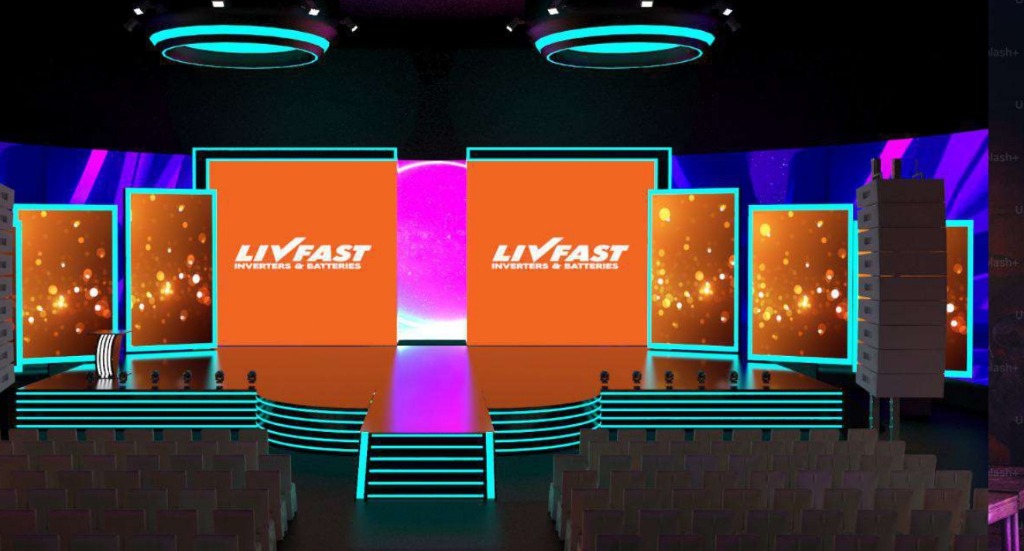
- Stage branding: Backdrop with company logo and event theme
- Digital screens: Rotating slides with agenda, sponsors, and hashtag
- Photo wall: Branded photo backdrop for social media sharing
- Table materials: Branded notebooks, pens, and name badges
- Eco-friendly options: Digital badges, recyclable banners, and plant-based materials
Timeline: Brief your designer 8 weeks before the event. Complete all print production 3-4 weeks before.
Step 10: Coordinate Logistics & Vendor Management
Vendor coordination is where events succeed or fail. Your approach:
Vendor Contract Essentials
- Detailed scope of work with specific deliverables
- Payment terms (typically 50% advance, 50% post-event)
- Cancellation and modification policies
- Insurance and liability coverage
- Setup and breakdown timelines
- Backup plans for vendor no-shows
Common Vendor Issues & Solutions
| Issue | Solution |
|---|---|
| Caterer runs late | Backup food options + 30-minute time buffer in agenda |
| AV equipment fails | Second projector/laptop always on standby |
| Speaker cancels last-minute | Have backup speaker or pre-recorded content ready |
| Weather impacts outdoor event | Indoor backup venue confirmed at time of booking |
| Power outage | Generator on standby for critical AV systems |
Step 11: Manage Communications & Guest Experience
Great events don't start on event day—they start with the first communication.
Communication Timeline
- 6-8 weeks before: Save-the-date announcement
- 4-5 weeks before: Formal invitation with RSVP link
- 2-3 weeks before: RSVP reminder + early agenda preview
- 1 week before: Final details: parking, dress code, agenda, speaker bios
- Day before: Quick reminder with location map and contact number
- Day of: Real-time updates via WhatsApp or event app
- Within 24 hours after: Thank-you email with photo highlights and feedback link
- Within 1 week after: Full event photos, video recap, and key takeaways shared
Step 12: Plan for Post-Event Evaluation & Follow-Up
The event isn't over when the last guest leaves. Post-event follow-up is where you capture maximum value.
Key Metrics to Track
- Attendance rate: Actual attendees vs. RSVPs (target: 85%+ for internal, 70%+ for external events)
- Satisfaction scores: NPS (Net Promoter Score) and general satisfaction rating
- Engagement metrics: Social media mentions, photos shared, participation rates
- Financial ROI: Revenue generated, leads captured, partnerships formed
- Qualitative feedback: Open-ended responses about what worked and what didn't
Content Repurposing Strategy
Extract maximum value from every event by repurposing content:
- Event highlight reel (1-2 minute video for social media)
- Blog posts summarising keynote speeches
- Testimonial videos from attendees
- Case study for your portfolio
- Social media photo galleries
- Behind-the-scenes content for employer branding
Budgeting & Cost Breakdown for Bangalore Corporate Events
Budget Template by Event Size
| Component | Small (50-100 pax) ₹2-5 Lakhs |
Medium (100-300 pax) ₹5-15 Lakhs |
Large (300+ pax) ₹15+ Lakhs |
|---|---|---|---|
| Venue | ₹50K-1L | ₹1.5L-3L | ₹3L-8L |
| Catering | ₹75K-1.5L | ₹1.5L-4.5L | ₹4.5L-12L |
| AV/Production | ₹50K-1L | ₹1L-2.5L | ₹2.5L-6L |
| Decor/Branding | ₹25K-50K | ₹50K-1.5L | ₹1.5L-4L |
| Entertainment | — | ₹50K-2L | ₹2L-5L |
| Contingency (10%) | ₹50K-1L | ₹1L-3L | ₹3L-5L |
Cost Optimization Strategies
- Negotiate bundle deals: Venues that include catering and AV offer 15-25% savings vs. booking separately
- Go digital: Replace printed materials with digital badges, event apps, and QR code check-in
- Book off-season: April-June and weekday events are 20-30% cheaper than peak season weekends
- Seek sponsorships: For industry events, corporate sponsors can offset 30-50% of costs
- Plan early: Booking 6+ months in advance gives you maximum negotiating leverage

6 Common Corporate Event Planning Pitfalls & How to Avoid Them
Pitfall #1: Poor Communication
Impact: Confusion, missed deadlines, and team frustration. Solution: Create a clear communication plan with regular touchpoints, a central shared document (Google Drive or Notion), and a dedicated WhatsApp group for the planning committee. Example: When a vendor receives an unclear brief, you get missed expectations and poor execution.
Pitfall #2: No Contingency Plan
Impact: Disaster when something goes wrong—and something always goes wrong. Solution: Backup vendors identified for every critical service, weather contingency for outdoor events, technical redundancy for AV systems. Budget 10% for contingency. No exceptions.
Pitfall #3: Over-Ambitious Scope
Impact: Overwhelm, poor execution quality, and budget overruns. Solution: Start with a focused, well-executed event rather than trying to do everything. A tight 3-hour event with excellent production beats a sprawling 8-hour marathon with mediocre quality.
Pitfall #4: Ignoring Bangalore Logistics
Impact: Attendees arrive stressed and late. Solution: Choose a venue accessible to the majority. Plan for Bangalore traffic (add 45-60 minutes buffer to all commute estimates). Ensure adequate parking. Consider providing shuttle service from key office locations or metro stations.
Pitfall #5: No Post-Event Plan
Impact: You lose learnings, miss follow-up opportunities, and can't prove ROI. Solution: Plan your feedback collection, thank-you strategy, and content repurposing before the event even happens.
Pitfall #6: Unrealistic Budgeting
Impact: Cutting corners, reduced quality, vendor disputes. Solution: Get 3 vendor quotes for every major category. Build in 10-15% contingency. Be honest with stakeholders about what's achievable within budget constraints. ₹5 Lakh for a 300-person event = ₹1,667 per person, which is tight but doable for a simple format.
Case Study: Executing a 500-Person Tech Company Annual Day

The Brief
- Client: Mid-sized SaaS startup, 500 employees across Bangalore HQ and remote teams
- Objective: Celebrate annual achievements, boost morale, announce next-year product roadmap
- Timeline: 4 months from brief to execution
- Budget: ₹12 Lakhs
- Format: Hybrid (in-person + virtual for 80 remote employees)
Key Challenges
- Managing 50+ dietary restrictions across multiple cuisines
- Hybrid streaming setup for remote employees in different time zones
- Coordinating 3 simultaneous breakout sessions during the afternoon
- Limited venue availability during peak Q4 season
- Client wanted "Apple keynote quality" production on a startup budget
How We Solved It
We secured a luxury hotel ballroom in Whitefield (close to client's office) with a 2-month advance booking. The catering team created a colour-coded dietary system: green tags for vegetarian, blue for vegan, orange for Jain, red for allergen-free. Each table card listed the guest's dietary code, and serving staff were briefed individually.
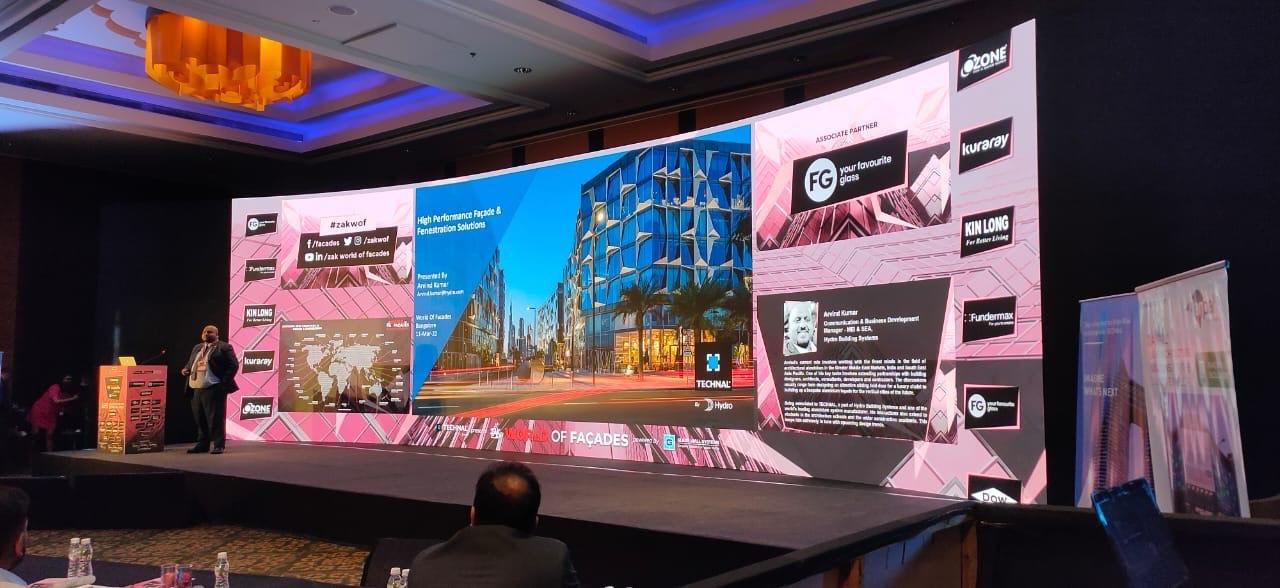
For the hybrid setup, we deployed a two-camera streaming rig with picture-in-picture for slides, a virtual moderator managing the Zoom chat, and real-time polls that merged in-person and remote responses on the main screen. The production team created a custom LED backdrop with animated branding that delivered the "keynote feel" within budget.
Results
- 98% attendance (in-person + virtual combined)
- 4.5/5 satisfaction score from post-event survey
- Zero dietary complaints despite 50+ restrictions
- 32% increase in employee NPS in the following quarter
- Under budget: Final spend was ₹11.2 Lakhs (₹80K saved for contingency)
Venue Selection Guide by Bangalore Area
Bangalore's diverse neighbourhoods each offer unique advantages for corporate events. Here's your area-by-area guide:

🏙️ Indiranagar
Best for: Mid-size events (50-300 people), startups, creative industries, networking events.
- Pros: Central location, excellent food ecosystem, trendy vibes, good metro connectivity
- Cons: Traffic during rush hours (especially 100 Feet Road), limited parking
- Venue types: Boutique event spaces, restaurant private dining rooms, co-working event halls
🏙️ Koramangala
Best for: Startup events, networking meetups, creative workshops, product launches.
- Pros: Young professional audience, restaurant availability for catering, vibrant atmosphere
- Cons: Crowded streets, challenging parking, higher venue costs
- Venue types: Startup hubs, restaurants with event spaces, art galleries
🏙️ Whitefield
Best for: Large tech company events (200+), product launches, MICE events.
- Pros: IT hub proximity (employees don't travel far), excellent hotel venues, good AV infrastructure
- Cons: Far from south Bangalore, limited diversity of venue types
- Venue types: Five-star hotel ballrooms, IT park convention centres, resort-style venues
🏙️ Electronic City
Best for: Tech company events, large gatherings (300+), budget-conscious events.
- Pros: IT park facilities, reasonable costs (20-30% cheaper than central Bangalore), ample parking
- Cons: Further out, limited nearby dining and entertainment options
- Venue types: IT park auditoriums, convention centres, hotel banquet halls
🏙️ MG Road / CBD
Best for: Prestige events, client-facing events, award ceremonies, executive summits.
- Pros: Prestige factor, excellent five-star hotel options, metro connectivity, impressive addresses
- Cons: Premium pricing, limited parking (valet essential), traffic congestion
- Venue types: Five-star hotel ballrooms and boardrooms, heritage venues, rooftop spaces
Frequently Asked Questions About Corporate Event Planning in Bangalore
Key Takeaways
Planning a corporate event in Bangalore doesn't have to be overwhelming. Here are the essential principles to remember:
- Start with clear objectives that are agreed upon by all stakeholders
- Budget realistically with a non-negotiable 10% contingency fund
- Book early—4-6 months for large events, 2-3 months minimum for small ones
- Choose your venue based on attendee accessibility—Bangalore traffic is the #1 attendance killer
- Invest in AV quality—it's the most noticed (and complained about) element
- Build contingency into everything—backup vendors, backup power, backup plans
- Communicate early, often, and clearly—before, during, and after the event
- Follow up within 24 hours—capture feedback and repurpose content while it's fresh
Whether you're planning a 50-person team building workshop or a 500-person annual day celebration, this 12-step framework gives you the structure to execute with confidence.
