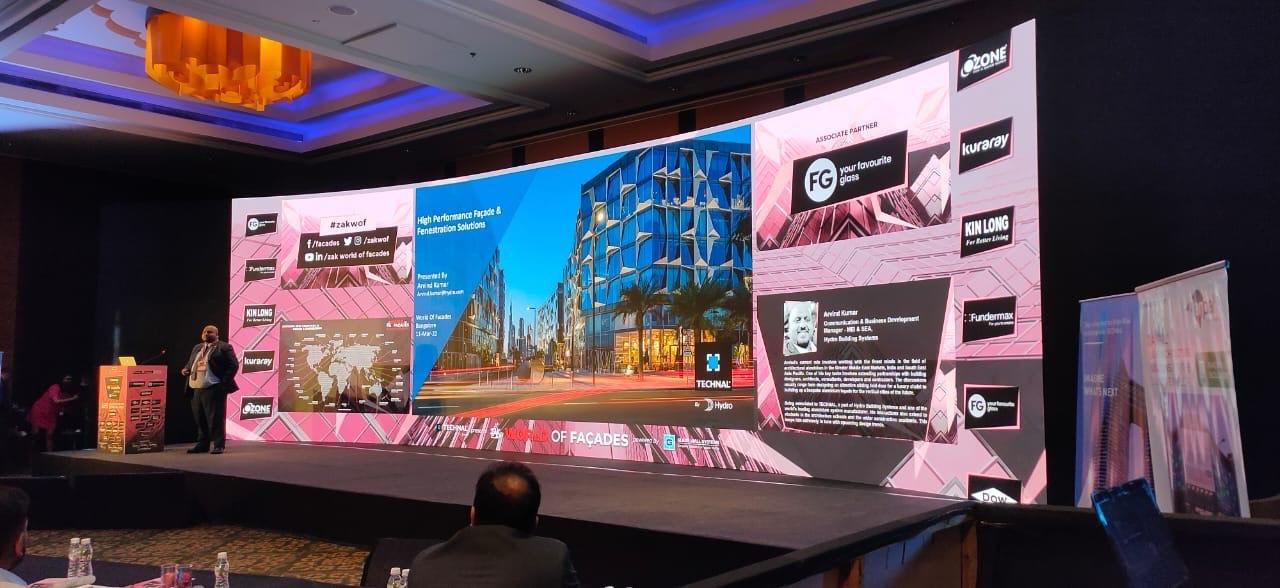
The event landscape is shifting beneath our feet. With 95% of event organizers expecting AI adoption to accelerate in 2026, and 51% of planners now favoring specialty venues over traditional hotels, corporate events are entering a new era. Gone are the days of one-size-fits-all conferences. Today's corporate gatherings are personalized, purpose-driven, and laser-focused on business outcomes.
In this guide, we'll explore the six defining trends shaping corporate event management in 2026—and how forward-thinking event teams are leveraging them to create unforgettable experiences that actually move the needle for their organizations.
1. AI Becomes Your Event Co-Pilot (Not a Gimmick)
From Experiment to Essential: How AI Is Quietly Running Your Events
If 2025 was about experimenting with artificial intelligence, 2026 is when it becomes indispensable. Event leaders aren't using AI for flashy touchpoints anymore—they're using it to streamline the workflows that drain resources: content creation, real-time attendee segmentation, personalized recommendations, and even predictive decision-making.
Key takeaway: 50% of event professionals are planning to embrace AI throughout the entire meetings journey in 2026, from pre-event creative concept generation to on-site decision-making. The competitive advantage goes to those who integrate AI thoughtfully into their production processes.
2. Hyper-Personalization Is Now the Baseline
"This Event Was Built for Me"—Why One-Size-Fits-All Is Dead
Corporate attendees have spoken: the era of generic conference agendas is over. Attendees now expect events tailored to their role, industry, experience level, and interests. When an attendee arrives at your event and sees a personalized agenda, session recommendations, and even one-on-one networking matches, they feel seen.
What this means for planners: Use AI-powered matchmaking to connect attendees with relevant sessions and people. Leverage data from registration to customize email sequences, app content, and even on-site wayfinding. Hyper-personalization isn't a nice-to-have—it's table stakes.
3. Hybrid Technology Gets Smarter (And More Immersive)
Beyond Video: VR Lounges, Blockchain Ticketing, and Hybrid Innovation
Hybrid events have matured. In 2026, it's no longer enough to livestream sessions. Leading event teams are integrating AI-powered matchmaking for virtual attendees, deploying VR networking lounges, and using blockchain-secured ticketing to combat fraud and manage credentials.
The business case: Hybrid formats reduce venue costs, expand your reach globally, and increase flexibility. When executed with advanced technology, they create a win-win: in-person attendees get immersive experiences, while virtual participants feel genuinely included.
4. Events Are Now Growth Infrastructure—ROI Is Everything
Stop Planning Events, Start Building Business Outcomes
The biggest shift in corporate events? They're no longer treated as standalone marketing moments. Today, they're core growth infrastructure. Event leaders expect their events to influence pipeline, accelerate deals, deepen relationships, and deliver measurable business outcomes.
What changed: Event success is now measured by impact on revenue, not just attendance. This means tracking which sessions drove pipeline conversations, which networking moments led to partnerships, and which attendees became customers. If you're not measuring ROI, you're leaving money on the table.
5. Sustainability Is a Requirement, Not a Trend
Purpose-Driven Events Win Over Attendees and Stakeholders
83% of corporate event planners now consider sustainability when planning events. But it goes deeper than carbon offsets. Attendees—especially younger corporate professionals—want to feel like their participation matters. Purpose-driven events that align with corporate ESG commitments and make a tangible difference create stronger emotional connections and better business outcomes.
Pro tip: From sourcing local vendors to reducing single-use plastics, sustainability also reduces costs and creates authentic brand moments that attendees want to share.
6. Smaller, Intentional Gatherings Are Replacing Mass Conferences
The Rise of Intimate Corporate Experiences
Corporate events are getting smaller, more targeted, and more intentional. Sessions are shorter, networking time is longer, and attendance is curated rather than open-to-all. The days of packing 500 people into a generic hotel ballroom are fading.
Why it matters: Smaller gatherings create deeper connections. Attendees feel like active participants, not passive observers. And for planners, this shift means lower venue costs, easier personalization, and better ROI tracking.
Conclusion: The most forward-thinking event teams aren't just adapting to 2026's trends—they're using them strategically. AI is handling the heavy lifting. Personalization is creating emotional connections. Hybrid technology is expanding reach. And a relentless focus on ROI is proving that events drive real business growth.